What is an AI Image Translation Tool?
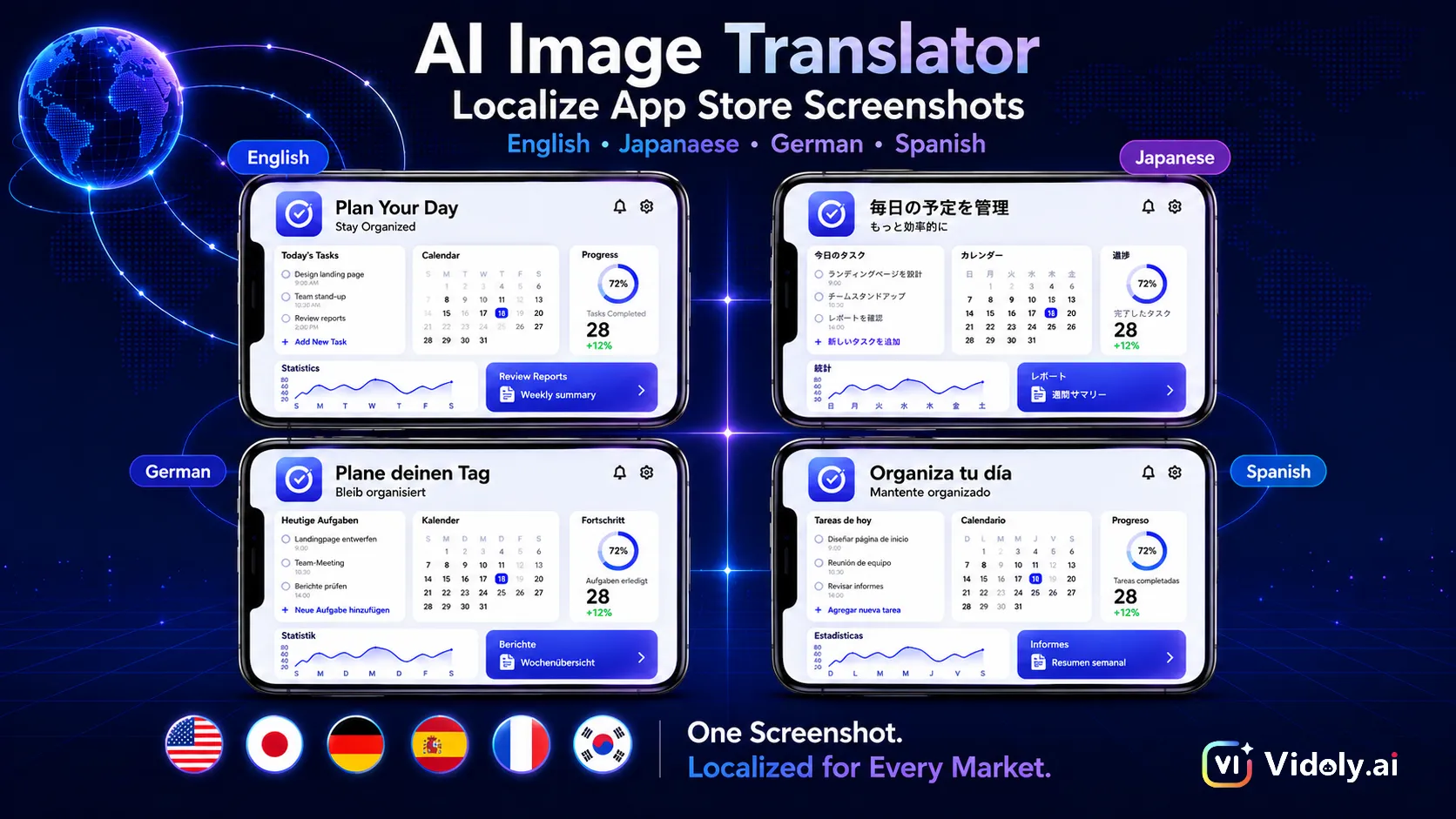
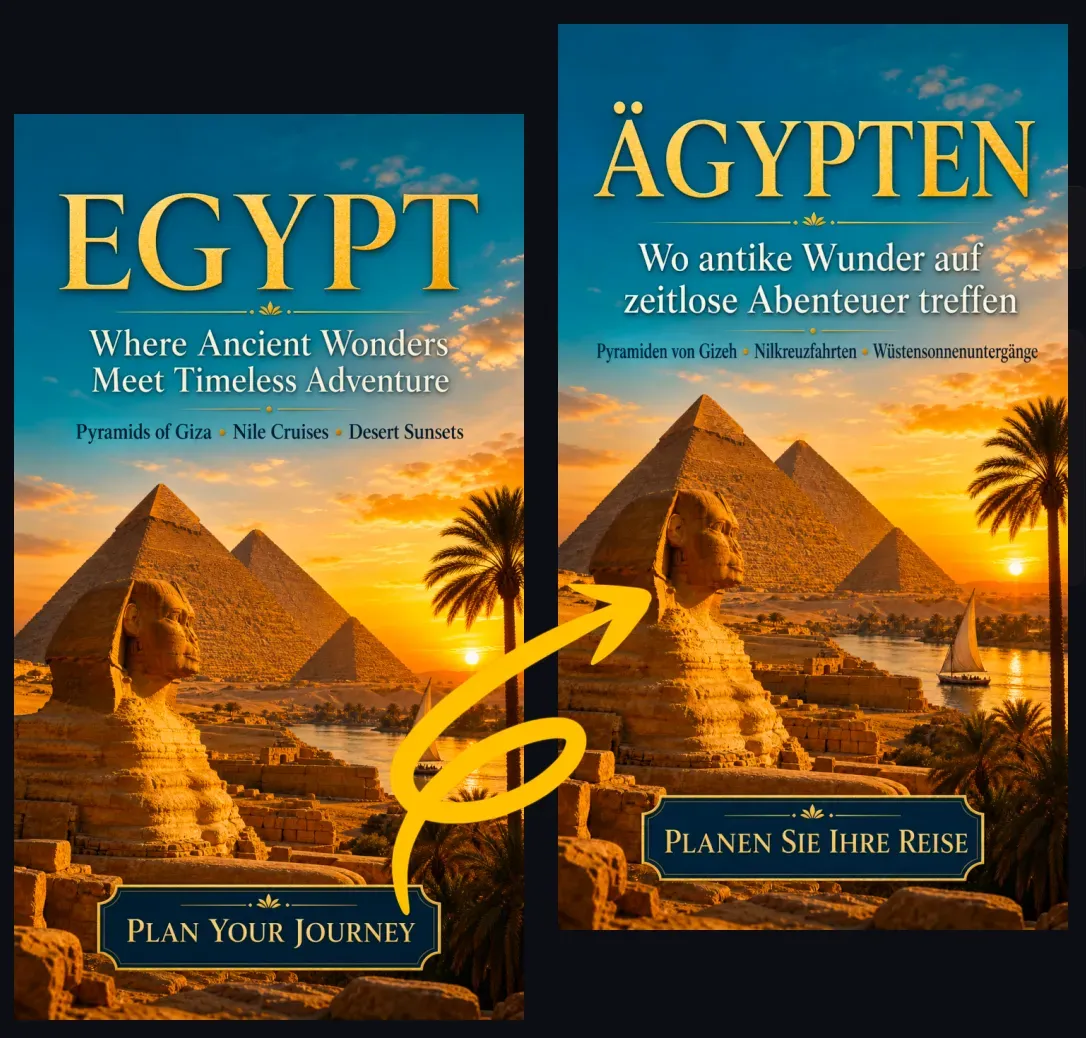
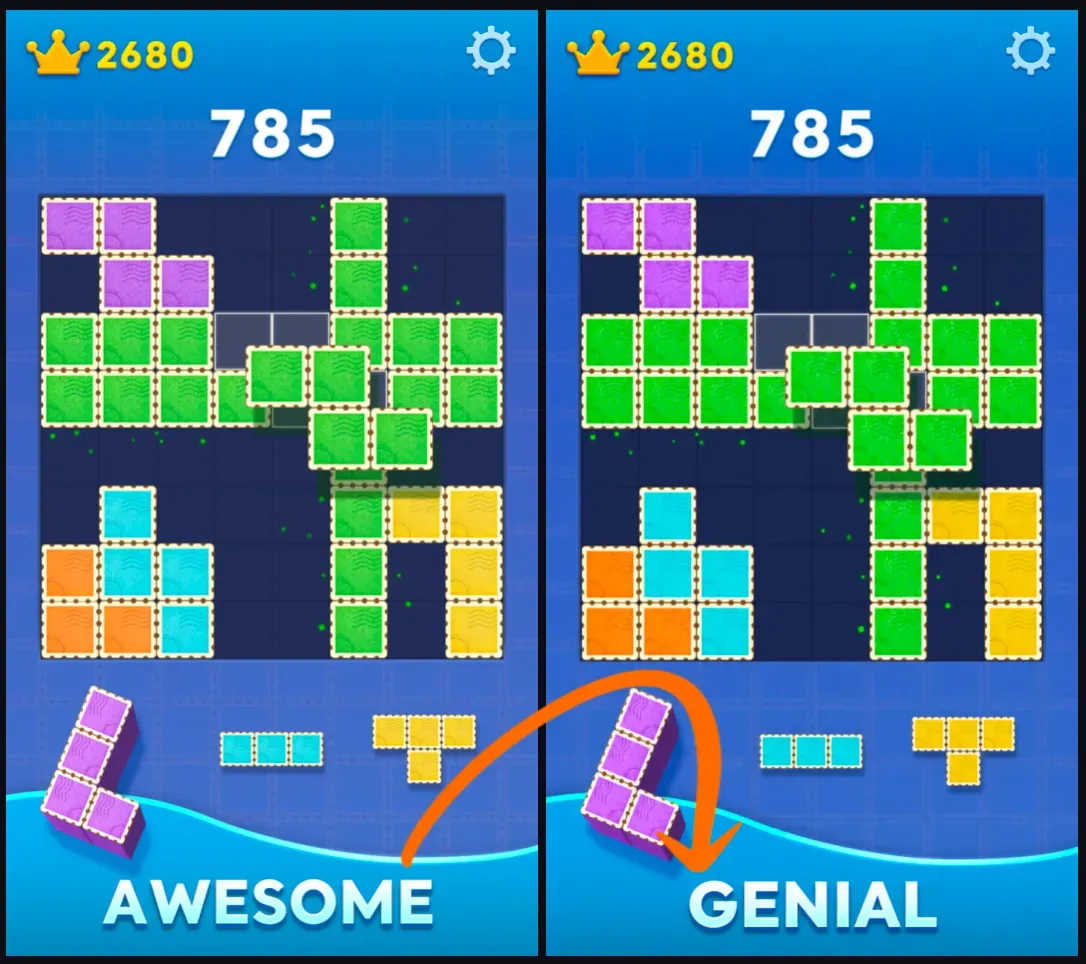
An AI image translation tool can recognize text in images, translate it into other languages, and generate an edited image by replacing the original text with the translated version.
Which image translation tool should I use?
For screenshots, posters, menus, and social images, general image text translation tools work well; for product images, comic panels, advertising materials, or other formats requiring more layout control, use specialized tools.
Are AI image translation tools different from OCR translation tools?
Yes. OCR translation tools typically only extract and translate text from images, while AI image translation tools can also edit images, remove the original text, and re-embed the translated text into the layout.
Can these tools translate product images?
Yes. Product image translation is useful for e-commerce sellers who need localized images for Amazon, Shopify, TikTok Shop, Etsy, advertisements, and international store pages.
Can these tools translate comic or anime images?
Yes, translating comics and anime is possible, but more challenging, as speech bubbles, vertical text, onomatopoeia, and dense panel layouts require precise text formatting.
What type of image works best?
Screenshots, product images, posters, menus, and social images with clearly legible text usually yield the best results. Blurry, extremely small, handwritten, curved, or highly stylized text is difficult to translate accurately.
Will image translation tools preserve the original design?
Tools that preserve layout aim to retain the original design by replacing text in the original areas with translated text, but they cannot guarantee an exact font match.
Can I use the translated images for commercial purposes?
You can use translated images in commercial workflows, but you must verify translation accuracy, brand terms, legal information, prices, trademarks, and platform requirements before publishing.
Do these tools support multiple languages?
Most image translation tools support major target languages including English, Spanish, French, German, Japanese, Korean, Chinese, Portuguese, Italian, Dutch, Arabic, Thai, and Vietnamese.
Why does translated text sometimes not match?
Some languages require more space than others. If the translated content is longer, the tool may need to reduce font size, adjust line breaks, or modify spacing to fit the translated text into the original text area.