Tools

Seedance 2.5 AI Video Generator

0/2000
10s
5s15s

What Is Seedance 2.5?

Seedance 2.5 is a ByteDance video generation model for creating longer, more controllable AI videos from prompts, images, references, and creative direction. It is designed for cinematic scenes, social videos, ecommerce clips, ad concepts, product storytelling, creator content, and visual production workflows that need stronger motion control and scene continuity than basic short-form AI video tools. With Seedance 2.5, users can plan a video by describing the subject, action, environment, camera movement, lighting, mood, and visual style. Depending on the available workflow, creators can also guide generation with image references, video references, character references, product assets, or other multimodal inputs to make the result more consistent with a specific brief. For creators, the main value is planning a video as a scene rather than a single static image. A good Seedance 2.5 prompt can define who or what appears, what happens, where it happens, how the camera moves, how the light behaves, and what style the final clip should follow.

Create with Seedance 2.5
How Seedance 2.5 AI Video Generation Works

How Seedance 2.5 AI Video Generation Works

Seedance 2.5 interprets the user's creative brief and turns it into a video sequence with generated motion, scene composition, camera behavior, lighting, and visual detail. In text-to-video mode, the prompt acts as the production brief. In image-to-video or reference-guided workflows, uploaded assets can help define the subject, identity, product shape, composition, color palette, or motion direction. The model works best when the prompt separates the video into clear production signals: subject, action, environment, camera movement, lighting, style, duration goal, and output use case. This gives the model more structure than a vague prompt such as "make a cool video."

What Can You Create with Seedance 2.5?

What Can You Create with Seedance 2.5?

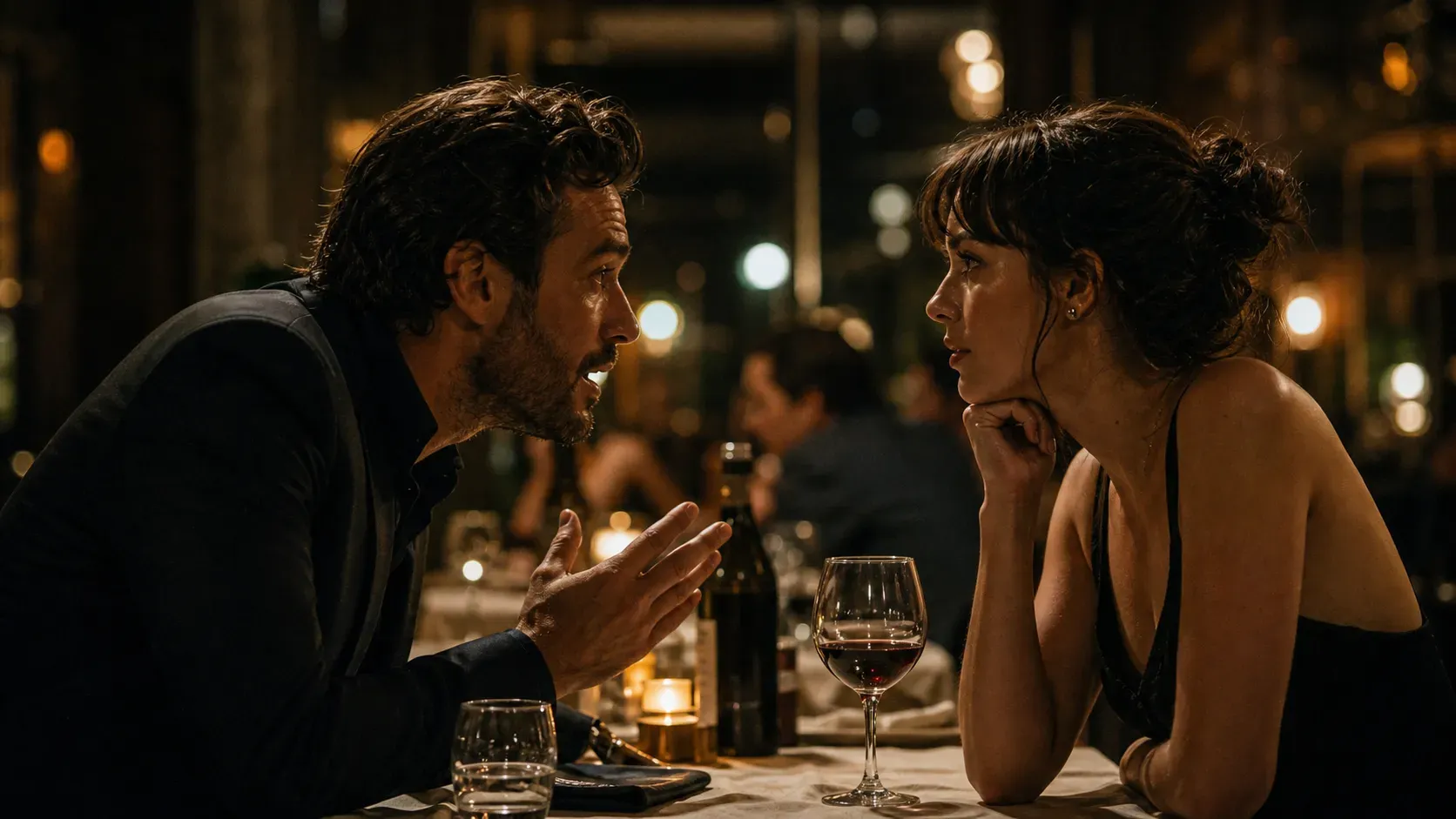
Seedance 2.5 can support many AI video scenarios, including product reveal videos, fashion clips, social media ads, cinematic character scenes, short story moments, app promo videos, ecommerce product videos, music video concepts, travel-style shots, food and beverage clips, event teasers, explainer visuals, and branded campaign drafts. The model is especially useful when the video needs more than a single motion effect. For example, a creator can prompt a product to rotate under studio lighting, a model to walk through a realistic street scene, a camera to dolly toward a hero object, or a short ad to move from opening shot to product close-up.

Best Prompts for Seedance 2.5

Best Prompts for Seedance 2.5

A strong Seedance 2.5 prompt should read like a compact director's brief. Include the subject, action, environment, camera movement, lighting, visual style, mood, and intended use. If the workflow supports references, describe how each reference should be used instead of assuming the model will infer it perfectly. Create a {video_type} with {main_subject}. Action: {what happens in the scene}. Environment: {location, background, time of day}. Camera: {camera movement, framing, lens feel}. Lighting: {natural daylight, studio softbox, neon, golden hour}. Style: {cinematic, realistic, luxury ad, UGC, anime, 3D, editorial}. Use case: {TikTok ad, ecommerce product video, brand campaign, story scene}. Example: "Create a cinematic product reveal video for a matte black smart speaker on a stone table. The camera slowly pushes in from a wide shot to a close-up. Warm studio lighting reflects softly on the surface. Minimal luxury ad style, clean background, no text, no logo distortion."

Seedance 2.5 Text-to-Video vs Image-to-Video

Seedance 2.5 Text-to-Video vs Image-to-Video

Text-to-video is best when the user wants to create a new scene from an idea. It gives the model freedom to design the subject, background, motion, and camera behavior based on the prompt. This works well for cinematic scenes, fictional concepts, abstract visuals, and early creative exploration. Image-to-video is better when the user already has a subject, product, character, room, outfit, poster, or visual direction that should guide the result. The image can anchor the scene, while the prompt defines motion, camera movement, lighting changes, and video style. For product and brand work, image references usually make the output easier to review.

Seedance 2.5 for Ads, Ecommerce, and Creator Videos

Seedance 2.5 for Ads, Ecommerce, and Creator Videos

Seedance 2.5 is a strong fit for marketing workflows where teams need many video concepts before choosing what to polish. Ecommerce sellers can test product reveal clips, lifestyle product scenes, seasonal campaign videos, and short ad directions. Influencers and creators can generate hooks, visual transitions, cover clips, and storytelling scenes for social platforms. For paid campaigns, treat AI video as a production accelerator rather than a fully automatic final approval system. Review product shape, labels, logos, claims, face details, brand consistency, motion realism, and platform ad policies before publishing.

Seedance 2.5 vs Manual Video Production

Seedance 2.5 vs Manual Video Production

Seedance 2.5 is useful for rapid concept generation, shot exploration, storyboard testing, visual references, and early ad drafts. It can help a team compare multiple creative directions before paying for a shoot, animation, editing session, or full production pipeline. Manual video production is still better for exact brand control, legal claims, real product demonstrations, actor performance, precise typography, synced dialogue, compliance-heavy advertising, and final broadcast deliverables. A practical workflow is to use Seedance 2.5 for visual direction, then use human review, editing, design, and legal checks for final production.

Limitations of Seedance 2.5

AI video models can still produce inconsistent hands, distorted logos, unstable small text, product shape drift, changing facial details, unexpected camera motion, unrealistic physics, or timeline changes that do not fully match the prompt. Longer videos and complex multi-subject scenes may need more review than simple product or environment clips. Commercial users should check every output before publishing. Review brand assets, trademarks, product accuracy, text overlays, safety claims, medical or financial claims, platform ad rules, music rights, likeness rights, and disclosure requirements. Do not treat generated video as automatically cleared for all commercial use.

Popular Seedance 2.5 Use Cases

1. Product marketers: generate product reveal shots, packaging close-ups, lifestyle scenes, and short ad concepts before commissioning final assets. 2. Ecommerce sellers: create video drafts for Amazon, Shopify, TikTok Shop, Etsy, and DTC storefront campaigns. 3. Agencies: produce multiple campaign directions quickly for client review, mood boards, and pitch decks. 4. Filmmakers and storytellers: test scene ideas, camera moves, character moments, locations, and lighting directions before production. 5. Design teams: turn static images, posters, product renders, or concept art into motion previews for presentations. 6. Social media creators: create cinematic hooks, visual transitions, story clips, and platform-ready video ideas.

How to Use Seedance 2.5?

1

Choose the video starting point.

Start with a text prompt, upload an image reference, or prepare creative references if the workflow supports them.

2

Write a structured video prompt.

Include subject, action, environment, camera movement, lighting, style, and output use case.

3

Set the format for your platform.

Choose the aspect ratio and video direction that fits TikTok, Instagram, YouTube, ads, product pages, or landing pages.

4

Generate and compare variations.

Create multiple versions to compare motion, framing, character consistency, product accuracy, and visual quality.

5

Review before publishing.

Check details, edit if needed, add approved text or music, and confirm usage rights before using the video commercially.

FAQs

What is Seedance 2.5?

Seedance 2.5 is a ByteDance AI video generation model for creating more controllable video scenes from prompts, images, references, and creative direction. It is built for cinematic, social, ecommerce, advertising, and storytelling workflows.

Is Seedance 2.5 good for text-to-video?

Yes. Seedance 2.5 can be used for text-to-video prompts when the user wants to create a video scene from written instructions. The prompt should describe the subject, action, environment, camera movement, lighting, mood, and style.

Can Seedance 2.5 turn an image into a video?

Seedance 2.5 supports image-guided video workflows where an uploaded image can help define the subject, composition, product, character, or visual style. The prompt should explain what motion or camera behavior should happen to that image.

What prompts work best for Seedance 2.5?

The best prompts are specific and production-oriented. Include the subject, action, setting, camera move, lighting, visual style, mood, and intended platform. Avoid vague prompts such as "make it cinematic" without describing what should happen on screen.

Can I use Seedance 2.5 for product videos?

Yes. It can help create product reveal clips, lifestyle scenes, product close-ups, and ad drafts. For commercial use, review the output carefully for product shape, label accuracy, brand consistency, and platform rules.

Can Seedance 2.5 create videos for ads?

It can support ad concept generation, social video drafts, ecommerce clips, and campaign visuals. Human review is still important for claims, trademarks, product accuracy, music rights, and compliance with ad platform policies.

How is Seedance 2.5 different from basic AI video generators?

Seedance 2.5 is positioned for richer video direction, longer scene planning, reference-guided workflows, and stronger control over motion, composition, and continuity. Basic AI video tools often focus on shorter or simpler motion effects.

Does Seedance 2.5 always follow prompts exactly?

No AI video model follows every prompt perfectly. Complex motion, small text, logos, hands, product geometry, multi-character scenes, and precise timing may still need retries or editing.

Can Seedance 2.5 generate videos with consistent characters?

Reference-guided workflows can improve character consistency, but users should still review faces, clothing, body details, and continuity across the clip. Consistency is usually easier when the prompt and references are clear.

What aspect ratio should I use for Seedance 2.5 videos?

Use 9:16 for TikTok, Reels, Shorts, and mobile ads; 1:1 for feed posts and product previews; and 16:9 for YouTube, landing pages, presentations, and cinematic scenes.

Can I use Seedance 2.5 videos commercially?

Seedance 2.5 outputs can be part of commercial creative workflows, but users should verify the platform terms, brand rights, likeness rights, music rights, product accuracy, and legal requirements before publishing or selling generated content.

Why does my AI video look different from my prompt?

Prompt drift can happen when the instruction is too vague, asks for too many actions at once, or includes difficult details such as exact text, logos, complex interactions, or unusual camera moves. Rewrite the prompt with clearer scene structure and fewer competing requirements.